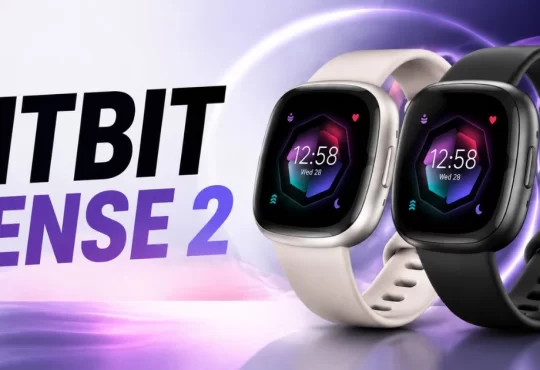


Technology is becoming an essential part of everyday life, and wearable devices have evolved far beyond basic fitness trackers and smartwatches. The latest generation of AI wearables is changing how people communicate, manage health, organize tasks, and interact with digital tools. Instead of only counting steps or showing notifications, these devices are becoming more intelligent companions that can understand context, provide useful information, and help users make faster decisions.
The growth of artificial intelligence has pushed wearable technology into a new stage. Devices now combine sensors, voice assistants, cameras, and AI-powered software to offer more personalized experiences. From smart glasses that provide real-time information to rings that monitor health patterns, the focus is shifting from collecting data to actually helping people use it.
As companies continue to improve hardware design and AI capabilities, the competition for the best AI wearables is intensifying. The newest devices are not just about futuristic features. They are designed around convenience, comfort, and practical everyday benefits.
The Rise Of AI Wearables In Everyday Life
The biggest change in wearable technology is the move from passive tracking to active assistance. Earlier devices mainly recorded information, such as heart rate, sleep patterns, or workout activity. Modern AI-powered wearables can analyze that information and provide recommendations based on personal habits.
Many new devices are built around natural interaction. Instead of opening apps or navigating menus, users can ask questions, receive summaries, or control features with voice commands. This makes wearable technology feel less like a gadget and more like an extension of daily routines.
In 2026, AI wearable development has focused heavily on making technology less noticeable while increasing usefulness. Lightweight designs, improved battery efficiency, and smarter software have become major priorities as companies compete to create devices people will actually want to wear throughout the day.
How AI Wearables Are Changing Personal Technology
AI wearables are becoming more versatile because they combine multiple technologies into smaller devices. Sensors, machine learning models, and cloud-based AI systems work together to deliver faster, more personalized results.
Smart glasses, for example, are evolving from entertainment devices into practical tools. They can provide navigation assistance, translate languages, identify objects, and display useful information without requiring users to constantly check a smartphone.
Other wearable categories are also expanding, including:
✨Smart rings: Designed to provide discreet health tracking, sleep monitoring, and activity insights.
✨AI-powered earbuds: Combining audio features with translation, voice assistance, and personalized sound settings.
✨Smart glasses: Offering hands-free access to digital information.
✨AI fitness devices: Providing deeper insights into exercise and recovery.
✨Smart clothing: Using embedded sensors to monitor movement and body signals.
The common theme across these products is convenience. Instead of adding more screens to daily life, many wearable companies are trying to create technology that works quietly in the background.
Smart Glasses Are Leading The Next Wave Of AI Wearables
Smart glasses are among the most talked-about developments in wearable technology. They combine traditional eyewear designs with cameras, microphones, speakers, and AI features, creating devices that feel more natural than carrying a phone.
The Ray-Ban Meta Smart Glasses have attracted attention by looking like ordinary sunglasses while offering built-in cameras, voice controls, and AI-powered features. The partnership between Meta Platforms and Ray-Ban focuses on making smart glasses appealing to everyday consumers rather than only technology enthusiasts.
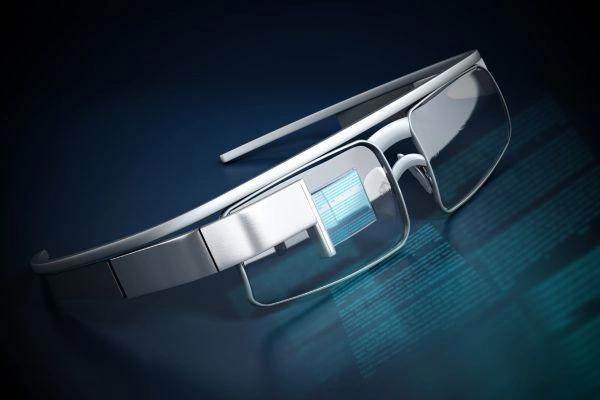
These glasses allow users to capture photos and videos, listen to music, make calls, and interact with AI assistants. The biggest advantage is hands-free access. Instead of reaching for a phone, users can simply speak a command or use the glasses while walking, traveling, or working.
Another major area of development is augmented reality. Future smart glasses are expected to offer more advanced visual information, including navigation directions, translation assistance, and workplace support tools.
AI Smart Rings Are Making Health Tracking More Personal
Smart rings have become one of the fastest-growing wearable categories because they provide health insights without the size of a smartwatch. Their smaller design makes them comfortable for overnight use, which is important for detailed sleep and recovery tracking.
The Oura Ring 4 is one of the best-known examples in this category. It focuses on sleep analysis, readiness scores, activity monitoring, and wellness insights. Its popularity has shown that many consumers prefer smaller devices that provide useful health information without constant notifications.
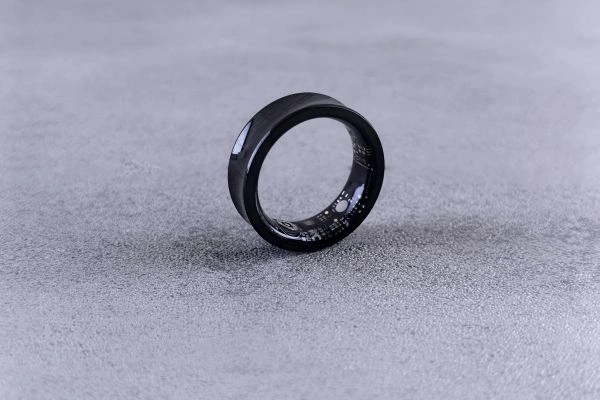
Other companies are also exploring smart ring technology. The Samsung Galaxy Ring brings health tracking into the company’s wider ecosystem, allowing users to connect wearable data with other Samsung devices.
Smart rings represent an important shift because they prioritize comfort and long-term use. Many users do not want another screen on their wrist. They want technology that quietly monitors patterns and provides helpful feedback when needed.
AI-Powered Earbuds Are Becoming Smarter Assistants
Wireless earbuds have evolved beyond music playback and phone calls, with new models offering AI-powered features that improve communication and productivity.
Modern AI earbuds can provide features such as:
✨Real-time language translation
✨Voice-controlled assistants
✨Personalized audio adjustments
✨Meeting support features
✨Improved noise management
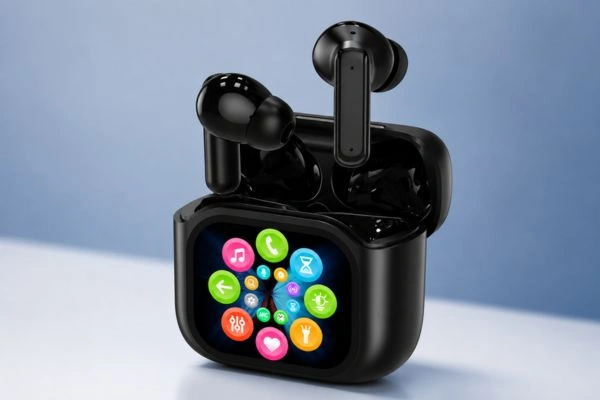
The Google Pixel Buds Pro 2 and other premium earbuds demonstrate how audio devices are becoming increasingly integrated with AI ecosystems. These products combine advanced microphones, machine learning, and smartphone integration to create more natural conversations with digital assistants.
AI earbuds are especially useful for travelers, remote workers, and people who frequently communicate across different languages. As translation technology improves, earbuds may become one of the easiest ways to overcome language barriers.
Health Monitoring Is Becoming A Major Focus
Healthcare is one of the most important areas where AI wearables are making an impact. Instead of only recording basic measurements, newer devices are becoming better at identifying patterns and helping users understand their health information.
Wearables now commonly track:
The Apple Watch Series 11 continues to represent the direction of advanced health-focused wearables. Smartwatches from major technology companies are increasingly adding health features that help users better understand their bodies.
However, experts emphasize that wearable technology should complement healthy lifestyle choices, not replace professional medical advice. Accuracy improvements remain a key area of research as companies work toward more reliable health monitoring.
Fashion And Design Are Becoming More Important
Technology companies have learned that successful wearables need to look good as well as work well. Consumers increasingly want devices that match their personal style rather than feel like medical equipment or bulky electronics.
This has encouraged partnerships between technology companies and fashion brands. Smart glasses have benefited from traditional eyewear designs, while smart rings focus on jewelry-like appearances.
The future of wearable technology will likely involve more customization. Different materials, colors, shapes, and accessories can make devices feel more personal. Fashion is becoming an important part of wearable innovation because people are more likely to use technology they enjoy wearing.
The Best AI Wearables Available Today
Choosing the right wearable depends on individual needs. Some users want health tracking, while others prioritize communication, productivity, or convenience.
The best AI wearables are not necessarily the devices with the most features. The most effective wearables are those that address real needs while offering comfort and ease of use.
Battery life, privacy controls, compatibility, and design are also important factors. A device may have advanced AI capabilities, but users are less likely to keep using it if it feels inconvenient.
Privacy Challenges And The Future Of AI Wearables
As wearable devices become smarter, privacy has become a major concern. Many AI wearables collect sensitive information, including health data, location information, voice recordings, and personal habits.
Companies are working to improve security features, but users should pay attention to privacy settings and understand what information their devices collect. Transparency will become increasingly important as wearable technology becomes more integrated into daily life.
The future of AI wearables will likely focus on smaller designs, longer battery life, and more personalized assistance. Instead of completely replacing smartphones, many devices will work alongside them to create a smoother digital experience.
The Future Of Wearable Technology
AI wearables are becoming more practical, stylish, and useful as technology continues to improve. The biggest innovations are not only about adding more features but about creating devices that naturally fit into everyday life.
From smart glasses and rings to intelligent earbuds and health-focused devices, wearable technology is moving toward a future where digital assistance feels more personal and accessible. The next generation of wearables will likely focus on better understanding users while staying comfortable, reliable, and easy to use.
As competition increases, the winners will be the devices that balance smart features with real-world usefulness. The future of wearable technology is not simply about wearing more technology. It is about making technology work better for people.