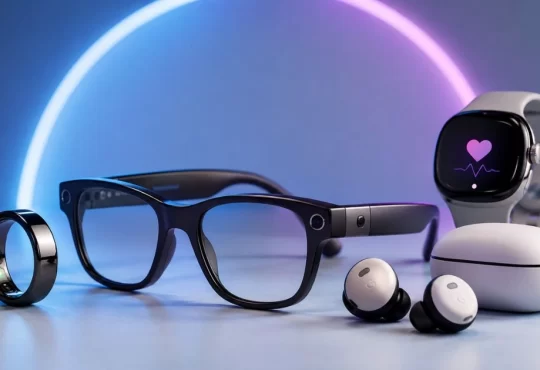


The Fitbit Sense 2 is still one of the most talked‑about health and fitness smartwatches in the wearable market. It blends core health tracking with everyday smartwatch functions, leaning deeply into stress, sleep, and wellness insights while keeping battery life strong and design comfortable.
Even though it was released earlier in the decade, the Sense 2 continues to matter for people who want more insight from their smartwatch without needing daily charging or hundreds of apps. This article breaks down ten features you may be overlooking, along with why they matter, how they work in real life, and how to use each feature to make the most of your Sense 2.
1. Enhanced Stress Tracking With Continuous EDA
One of the standout features of the Fitbit Sense 2 is its continuous electrodermal activity (cEDA) sensor. This sensor measures changes in skin conductance, which can help indicate how the body responds to stress during daily life. Instead of requiring a manual stress check, the Sense 2 watches patterns throughout the day to give more complete insight.
This continuous tracking lets the watch alert users to subtle shifts in stress that might otherwise go unnoticed. When stress levels rise, the device can prompt guided breathing exercises or mindfulness suggestions to help ease tension and refocus on breathing and calm. It is a feature that goes beyond basic heart rate tracking, offering a new way to think about wellness.
To make this feature useful, users should wear the watch snugly during the day, especially during moments of perceived stress, meetings, or long commutes. Over time, these alerts and exercises help build awareness of stress triggers and support the creation of healthier daily routines.
2. ECG App For Heart Rhythm Detection
Another advanced health feature found on the Fitbit Sense 2 is the ECG app. This tool allows users to check for irregular heart rhythms that may indicate atrial fibrillation, a condition that can go unnoticed until it becomes serious.
To use the ECG app, the user places a finger on the bezel or designated sensor area and waits about 30 seconds for the test to complete. Once finished, the result is stored in the Fitbit app, where it can be shared with health professionals if needed.
This is one of the few smartwatch features that cross the line from general wellness into medically relevant territory. While it does not replace professional medical tests, it can alert users to patterns worth discussing with a doctor, especially for those with a family history of heart issues or periodic palpitations.
3. Body Response Alerts For Daily Health Awareness
Many people think of stress or heart rate alerts as isolated tools. Still, the Fitbit Sense 2 combines data from heart rate variability, skin temperature, and resting heart rate to create what Fitbit calls Body Response alerts.
These alerts appear when the system detects unusual patterns in the wearer’s body signals. For example, if heart rate variability drops or skin temperature spikes unexpectedly, the watch may suggest a moment of rest or a short breathing session.
This feature is most useful when worn continuously, day and night. Over time, the data helps users understand when their body might be under strain, whether from lack of sleep, an intense workout, or a mentally demanding day.
4. Automatic Sleep And Recovery Tracking
The sleep tracking on the Fitbit Sense 2 is one of its most powerful but often underused functions. It tracks not only total sleep but also sleep stages—deep, light, and REM—giving a complete picture of sleep quality.
Fitbit’s sleep insights also incorporate heart rate variability (HRV) and overnight changes in skin temperature. These metrics help the watch estimate how well the body is recovering. For example, large deviations in skin temperature while sleeping may indicate illness or disrupted sleep.
Users are encouraged to wear the watch every night to see trends and profiles over weeks or months. This can point to how lifestyle habits, such as late-day caffeine or inconsistent bedtimes, affect overall rest. With consistent use, the sleep report becomes one of the most personalized and helpful charts in the Fitbit app.
5. Built‑In GPS For Accurate Outdoor Tracking
A feature that many users overlook until they need it is the Fitbit Sense 2’s built‑in GPS. This lets the watch track routes, distance, and pace without needing a phone nearby.
Unlike basic pedometer step counting, GPS tracking is essential for runners, cyclists, and outdoor walkers who want precise distance and speed data. Once enabled, the GPS will lock onto satellites and record movement in real time. The data is then synced with the Fitbit app on the smartphone for detailed maps and stats.
If GPS does not seem accurate, giving the watch a clear view of the sky before starting the workout greatly improves signal strength and tracking quality. For regular walkers or outdoor fitness enthusiasts, this feature helps turn simple routines into meaningful progress-tracking.
6. Google Maps And Google Wallet Support
Thanks to close integration with Google services, the Fitbit Sense 2 now supports useful tools like Google Maps and Google Wallet on the wrist.
With Google Maps, users can view directions, follow turn‑by‑turn guidance, and track routes when walking in new areas. This functionality turns the watch into a helpful travel companion, especially for hikes, city walks, or exploring new neighborhoods.
Google Wallet allows users to store and use payment cards directly on the watch for contactless payments. Instead of fishing for a phone or wallet, the Sense 2 lets users tap to pay right from the wrist, adding convenience for errands, transit, or quick purchases.
7. Long Battery Life With Smart Management
Battery life is one of the most praised aspects of the Fitbit Sense 2. Fitbit estimates the device’s battery life at around 6 days under normal use, far longer than that of many full‑featured smartwatches.
This long lifespan makes it easier to wear the watch constantly, especially for health tracking and sleep monitoring. Heavy features like always‑on displays or continuous GPS use can drain the battery faster, but most users still see several days between charges.
Daily wear without frequent charging makes the Sense 2 feel more like a health band than a gadget that needs nightly attention. For people tired of daily charging, this battery’s performance is a major advantage.
8. Fitness And Activity Tracking Beyond Basics
While steps and calories are common across fitness trackers, the Fitbit Sense 2 goes further with activity recognition and robust workout tools.
The watch supports manual workout tracking and automatic recognition of basic movement types such as walking, running, and swimming. It also includes a wide range of preset activities that users can choose from in the Fitbit app.
GPS‑enabled activities record route, pace, and distance, and may also give heart rate summary data that helps define workout intensity and progress over time. These insights help users plan structured training or casual walk goals.
9. Fitbit Premium Integration For Deeper Insights
While the Fitbit Sense 2 works perfectly without extra subscriptions, pairing it with Fitbit Premium unlocks deeper wellness insights, guided programs, and personalized reports.
Premium offers trend analysis, tailored health programs, sleep score breakdowns, and workout routines. For people looking to improve fitness, manage stress, or refine sleep habits, Premium brings an extra layer of support that many find useful.
Think of it not just as extra features but as guided suggestions based on real data from your watch. These programs help convert raw numbers into achievable goals.
10. Customizable Watch Faces And Quick Access Tiles
The Fitbit Sense 2 includes multiple watch faces, allowing users to view the most important data at a glance. Many faces display heart rate, steps, or other key metrics right on the main screen.
Quick-access tiles let you swipe through stats, weather, heart rate graphs, and daily summaries without digging through menus. Customizing these tiles ensures that the most important health or fitness information is always front and center.
This level of personalization makes the device feel more tailored to individual needs and routines.
Getting The Best Performance From Your Fitbit Sense 2
To truly leverage the features above, here are a few practical tips:
- Wear it consistently day and night for the most accurate sleep and stress tracking.
- Sync regularly with the app to keep data up to date and meaningful.
- Choose relevant watch faces and tiles to see what matters most at a glance.
- Use Google integrations to navigate or pay without a phone nearby.
These habits help transform the Sense 2 into a daily health companion rather than just a gadget.
Featured Snippet‑Optimized FAQ
- What Unique Stress Tracking Does The Fitbit Sense 2 Offer?
It uses a continuous cEDA sensor to measure skin changes and provide stress alerts throughout the day.
- Can The Fitbit Sense 2 Detect Irregular Heart Rhythms?
Yes, the ECG app checks for signs of atrial fibrillation by recording the heart rhythm with your touch.
- Does The Fitbit Sense 2 Track Sleep In Detail?
Yes, it breaks sleep into stages and includes insights into heart rate variability and temperature.
- Does The Fitbit Sense 2 Have Built‑In GPS?
Yes, GPS tracks routes and pace without needing a phone nearby.
- What Is the Battery Life of the Fitbit Sense 2?
Under normal use, battery life can reach around six days between charges.
Final Thoughts On The Fitbit Sense 2
The Fitbit Sense 2 remains one of the most versatile and capable smartwatches for health and fitness tracking. From its advanced stress management and ECG monitoring to detailed sleep tracking and built-in GPS, it offers tools that help users stay informed about their wellness in a simple, practical way.
Its long battery life, customizable watch faces, and seamless integration with Google services make it convenient for daily use. At the same time, the Fitbit Premium subscription adds deeper insights for those seeking personalized health guidance. For anyone looking to combine fitness tracking with smartwatch functionality, the Sense 2 strikes a compelling balance between features, design, and usability.
Overall, the Fitbit Sense 2 is not just a gadget but a daily companion that empowers users to track, understand, and improve their health routines with confidence and ease.